ROOFING REDEFINED
With a nationwide presence, access to the latest roof technology and a reputation for quality workmanship, Tecta America can install and maintain any roof system.
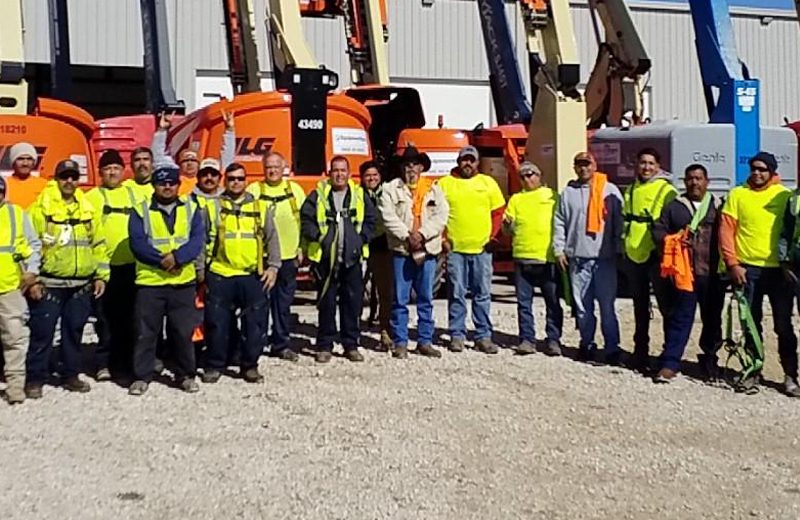

We have the experience you’re looking for
SHARING NEWS, INSPIRATION, AND KNOWLEDGE
What our clients are saying
“I am the facility manager of a large one-story building. When we were looking for a roofer for our building, it was a daunting task. Tecta came out of the gate showing us industry-standard and going above that standard to show what level of service and installation we would get if we chose to go with Tecta. Thank goodness we did! From start to finish (about 7 weeks), this project was perfectly executed. Their impact on my building and my employee’s daily work was so minimal I often forgot they were on site. Obviously, the noise will always be an issue, but the crews were so respectful and helped me know what times would be most loud so my employees would be informed. I would 100% recommend them and use them again on future projects.”

2000 – Tecta America Established
 FOUNDING TECTA COMPANIES:
- Central Roofing Company
- Construction Services (Tecta America Amarillo CS)
- F.J.A. Christiansen
- Greenberg Roofing Services (Tecta America Dakotas)
- Magco (Tecta America Jessup)
- Murton Roofing (Tecta America South Florida)
- JP Patti
- Potteiger-Raintree (Tecta America Glen Rock)
- Schwickert’s
- Western Roofing Service
2001 – Acquisition
NEW TECTA COMPANIES:- G & W Roofing
2002 Aquisitions
NEW TECTA COMPANIES:- Lavey Roofing Services, Inc.
- The Zero Company
- The Zero-Breeze Company
2003 Acquisitions
NEW TECTA COMPANIES:- Stock Roofing Company
- WRS Seattle
2004 Aquisition
NEW TECTA COMPANIES:- Metro New York
2005 Acquisitions
NEW TECTA COMPANIES:- Anthony Roofing
- Blackmore & Buckner
- CEI Roofing California
- CEI Roofing Colorado
- CEI Roofing Texas
- Culbertsons
- Cyclone Roofing
- General Works
- General Works of Tampa
- Illinois Roofing
- Roofers Inc.
2006 Acquisitions
NEW TECTA COMPANIES:- Weatherguard Roofing
- B&H Coatings
2007 – Acquisitions
NEW TECTA COMPANIES:- Weiss & Woolrich
- Standard Roofing
- Delta Roofing
2011 – Acquisition
NEW TECTA COMPANY:- Custom Roofing
2012 – New Location
Architectural Metals opens location
2013 – Acquisition
NEW TECTA COMPANIES:- Target Roofing
2014 – Acquisition
NEW TECTA COMPANY:- Pioneer Roofing
2015 – Acquisitions
NEW TECTA COMPANIES:- Metalcrafts
- Wolfe Roofing
- Roof Systems of Maine
2016 – Acquisitions
NEW TECTA COMPANIES:- MB Roofing
- JB Roofing
2017 – Acquisitions
NEW TECTA COMPANIES:- ARS
- CE Reeve
- Exterior Solutions
2018 – Acquisitions
NEW TECTA COMPANIES:- Fort Wayne Roofing
- Roofing Solutions & Services
- The Melanson Company
- Roof Services
2019 – Acquisitions
NEW TECTA COMPANIES:- Chris Andersen Roofing
- ABC Roofing
- Commercial Roofing
2020 – Acquisitions
 NEW TECTA COMPANIES:
- Wooster Roofing and Construction Co
- B&LSheet Metal and Roofing
- Pro-Tec Roofing
- J Reynolds & Co.
2021 – Acquisitions
NEW TECTA COMPANIES:- Childers Roofing
- Empire Roofing
2022 – Acquisitions
NEW TECTA COMPANIES:- Roof Services of New York (RSNY)
- Pioneer Roofing
- Katchmark
- Mahaney
2023 – Acquisitions
NEW TECTA COMPANIES:- Oshkosh
- TMR Roofing
- Pieros Roofing Specialist
2024 – Acquisitions
NEW TECTA COMPANIES:- Eberhard Companies

NATIONWIDE PRESENCE
MEMBERSHIPS